
Introduction: Nutrition and Mental Health Intersect
When it comes to mental well-being, therapy and medication often take center stage. However, the role of nutrition in mental health is a burgeoning area of research that offers promising insights into mood regulation, cognitive function, and overall psychological wellness.
The Gut-Brain Axis: Nutrition’s Direct Line to Mental Health
The gut-brain axis serves as a two-way communication channel between the gastrointestinal tract and the central nervous system. This axis is influenced by various factors, including gut microbiota, hormones, and neurotransmitters like serotonin, which is predominantly produced in the gut. Understanding this connection underscores the importance of nutrition in mental health.
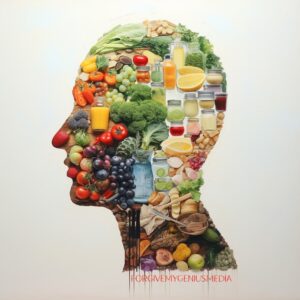
Macronutrients: The Building Blocks of Nutrition and Mental Health
Carbohydrates
Carbohydrates are essential for brain function, providing the primary source of glucose, the brain’s preferred fuel. Complex carbohydrates from whole grains, fruits, and vegetables are more beneficial for mental health than simple sugars.
Proteins
Proteins supply amino acids, which serve as precursors to neurotransmitters like dopamine and serotonin. A diet rich in high-quality proteins can significantly impact mood and cognitive function, highlighting the role of nutrition in mental health.
Fats
Omega-3 fatty acids have anti-inflammatory properties and are linked to reduced symptoms of depression and anxiety, further emphasizing the connection between nutrition and mental health.
Micronutrients: Small but Mighty
Vitamins and minerals, such as Vitamin D, B Vitamins, zinc, and magnesium, have been linked to various mood disorders when deficient. These micronutrients are crucial for optimizing mental health.

The Social and Emotional Layers of Nutrition
Food is not merely a collection of nutrients; it’s a social and cultural experience. Sharing a meal can foster a sense of community and belonging, which are vital for mental health. However, emotional eating patterns should be monitored to prevent negative impacts on mental health.
Actionable Steps for Better Nutrition
- Consult a Registered Dietitian: For personalized advice tailored to your mental health needs.
- Mindful Eating: Be aware of what and when you eat.
- Diverse Diet: A balanced diet ensures you get all the necessary nutrients.
- Stay Hydrated: Dehydration can negatively affect mood and cognition.
Conclusion: The Future of Nutrition and Mental Health
Nutritional psychiatry is an emerging field that aims to integrate dietary interventions into mental health treatment. As research progresses, the role of nutrition in mental health will become increasingly evident.
References
- Nutritional psychiatry: Your brain on food – Harvard Health Blog
- Dash, S., Clarke, G., Berk, M., & Jacka, F. N. (2015). The gut microbiome and diet in psychiatry: focus on depression. Current Opinion in Psychiatry, 28(1), 1-6.
- O’Neil, A., Quirk, S. E., Housden, S., Brennan, S. L., Williams, L. J., Pasco, J. A., … & Jacka, F. N. (2014). Relationship between diet and mental health in children and adolescents: a systematic review. American Journal of Public Health, 104(10), e31-e42.
Further Research Recommendations
- Follow Dr. Uma Naidoo on social media for updates on nutritional psychiatry.
- Read “The Mind-Gut Connection” by Emeran Mayer
- Visit the Food and Mood Centre’s website for the latest research on this topic.